
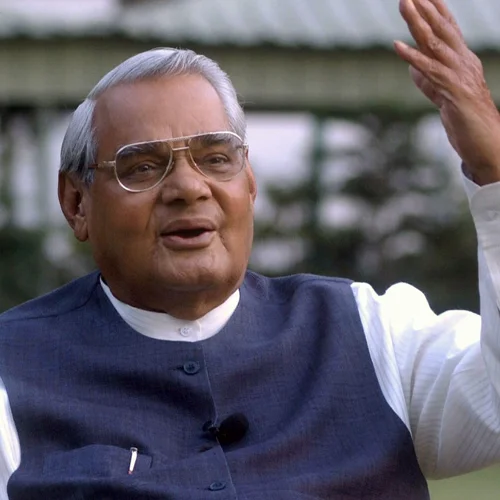
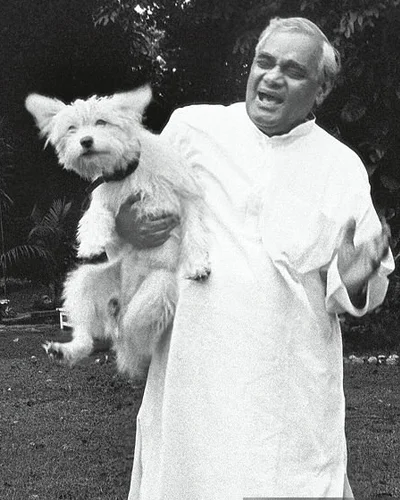
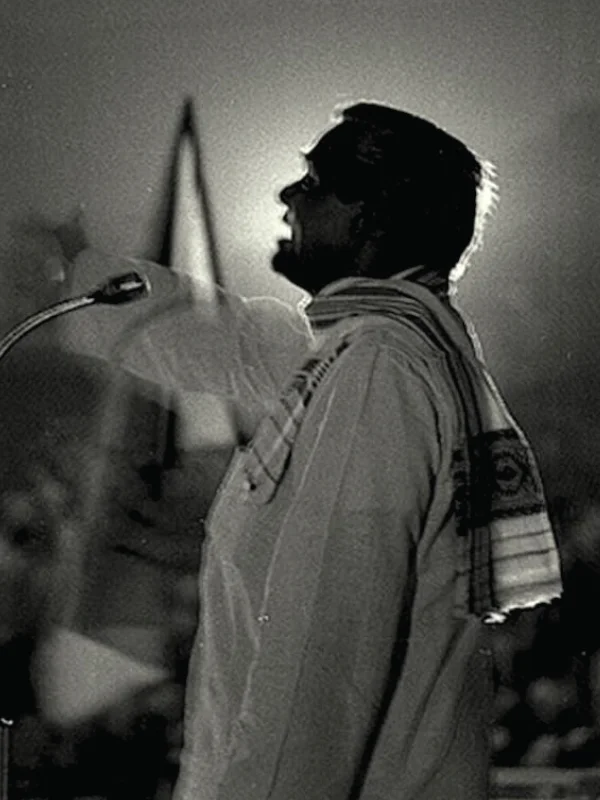
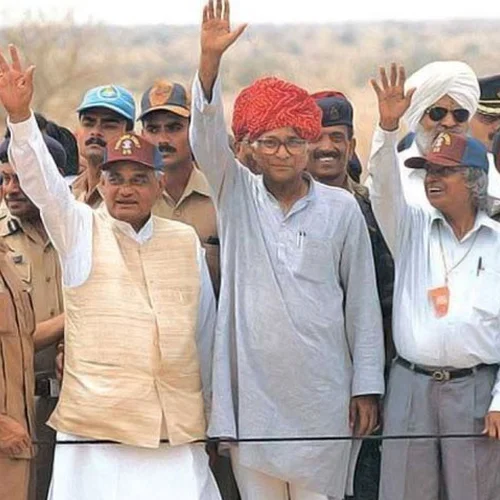
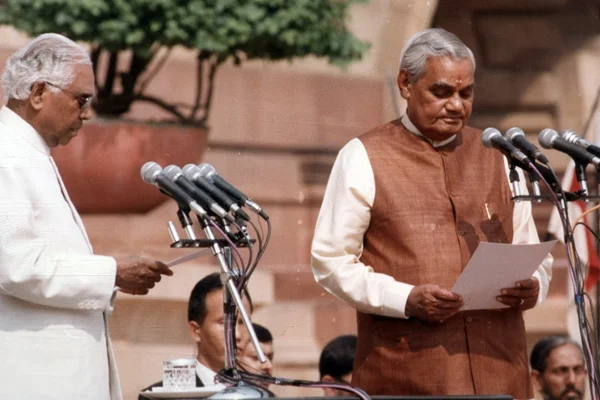

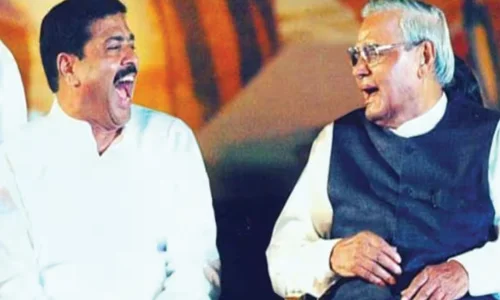
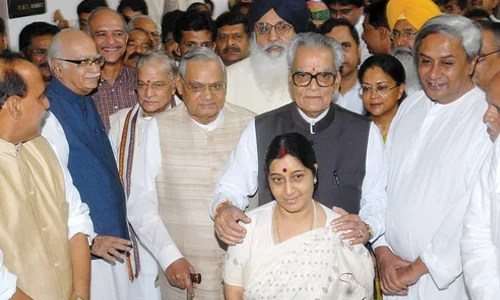
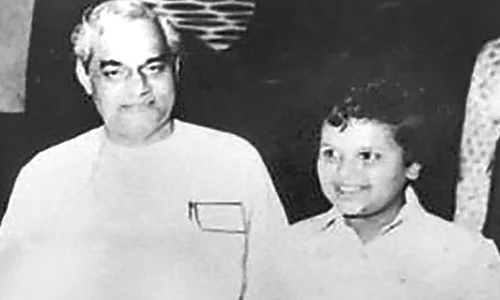
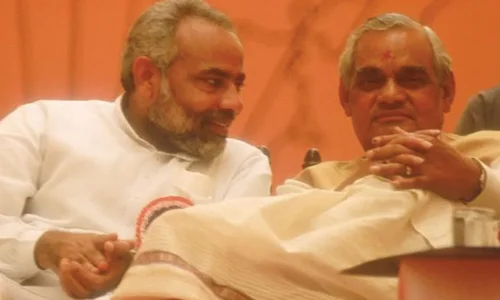
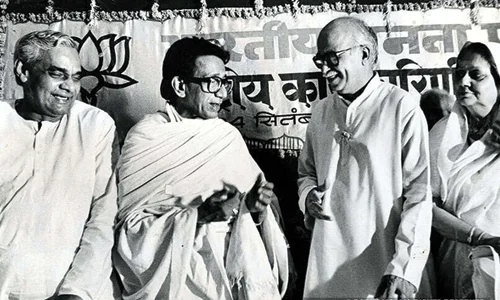

Atal Bihari Vajpayee was a revered Indian statesman, poet, and orator who served as India’s Prime Minister three times. A founding member of the Bharatiya Janata Party (BJP), he was known for his moderate stance, consensus-building leadership, and commitment to national progress. His governance balanced economic reform with national pride. Vajpayee’s poetic sensibility and emotional depth helped him connect with citizens across ideologies, leaving behind a legacy of grace, strength, and democratic integrity.
click play to listen to the article
In 1998, Atal Bihari Vajpayee boldly led India to conduct the Pokhran-II nuclear tests, declaring India a nuclear state. This move demonstrated India’s strategic autonomy, scientific excellence, and firm geopolitical stance, placing the nation among established nuclear powers while maintaining responsible global diplomacy.
Atal Bihari Vajpayee’s journey from a small-town boy in Gwalior to the Prime Minister of the world’s largest democracy is a story of resolve, wisdom, and vision. Born on December 25, 1924, Vajpayee’s academic brilliance and early involvement in the Rashtriya Swayamsevak Sangh (RSS) set the stage for a lifetime in public service. He entered politics through the Bharatiya Jana Sangh and was elected to Parliament in 1957, where his eloquence and intellect won him admiration across party lines.
As one of the co-founders of the Bharatiya Janata Party in 1980, Vajpayee envisioned a modern, strong, and inclusive India. His brief first tenure as Prime Minister in 1996 lasted only 13 days, but his full term from 1999 to 2004 laid the foundation for a transformed nation. Under his leadership, India witnessed unprecedented infrastructure growth with the Golden Quadrilateral highway project, liberal economic policies, and significant technological progress, including the rise of the IT sector.
He championed peace with Pakistan through the Lahore Declaration but didn’t hesitate to respond firmly during the Kargil War, earning immense respect. Vajpayee’s governance was marked by humility, inclusive politics, and firm decision-making. His poetic heart brought rare compassion into politics, while his statesmanship brought enduring strength to India’s democratic fabric.
The lotus blooms not by chance, but by rising above the mire. Similarly, India must rise — above hatred, above narrow-mindedness, above violence — to claim her rightful place in the world, not through conquest, but through character, courage, and compassion.
Atal Bihari Vajpayee’s journey from a small-town boy in Gwalior to the Prime Minister of the world’s largest democracy is a story of resolve, wisdom, and vision. Born on December 25, 1924, Vajpayee’s academic brilliance and early involvement in the Rashtriya Swayamsevak Sangh (RSS) set the stage for a lifetime in public service. He entered politics through the Bharatiya Jana Sangh and was elected to Parliament in 1957, where his eloquence and intellect won him admiration across party lines.
As one of the co-founders of the Bharatiya Janata Party in 1980, Vajpayee envisioned a modern, strong, and inclusive India. His brief first tenure as Prime Minister in 1996 lasted only 13 days, but his full term from 1999 to 2004 laid the foundation for a transformed nation. Under his leadership, India witnessed unprecedented infrastructure growth with the Golden Quadrilateral highway project, liberal economic policies, and significant technological progress, including the rise of the IT sector.
He championed peace with Pakistan through the Lahore Declaration but didn’t hesitate to respond firmly during the Kargil War, earning immense respect. Vajpayee’s governance was marked by humility, inclusive politics, and firm decision-making. His poetic heart brought rare compassion into politics, while his statesmanship brought enduring strength to India’s democratic fabric.